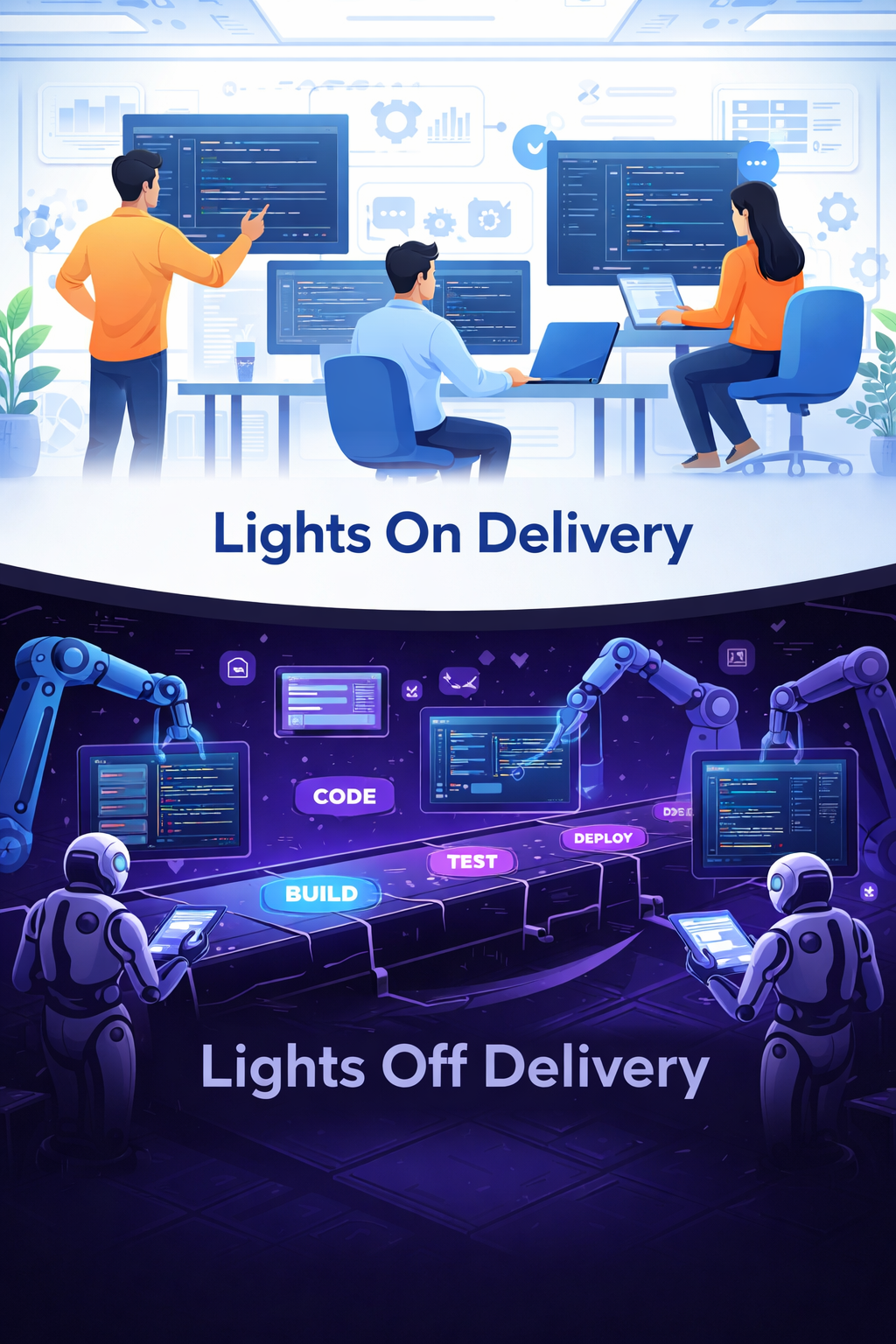
When I speak to people about the impact AI will have on complex delivery, one thing is always near the top of my mind: how much better reporting could become. I am thinking about the reporting I get from my own agentic workforce, how detailed it is, how current it is and how easily I can get to the underlying evidence. I live in a world of information abundance rather than what has so often been my experience on large programmes: constantly trying to reconstruct what is actually happening.
Running a complex programme fully with AI is still a long way away. There is plenty of work that will remain human, so we need to be realistic about what AI can support us with and what remains a human responsibility. Reporting is a good example because I think AI can make a significant difference, but probably not in the way people first assume.
What usually happens in status meetings
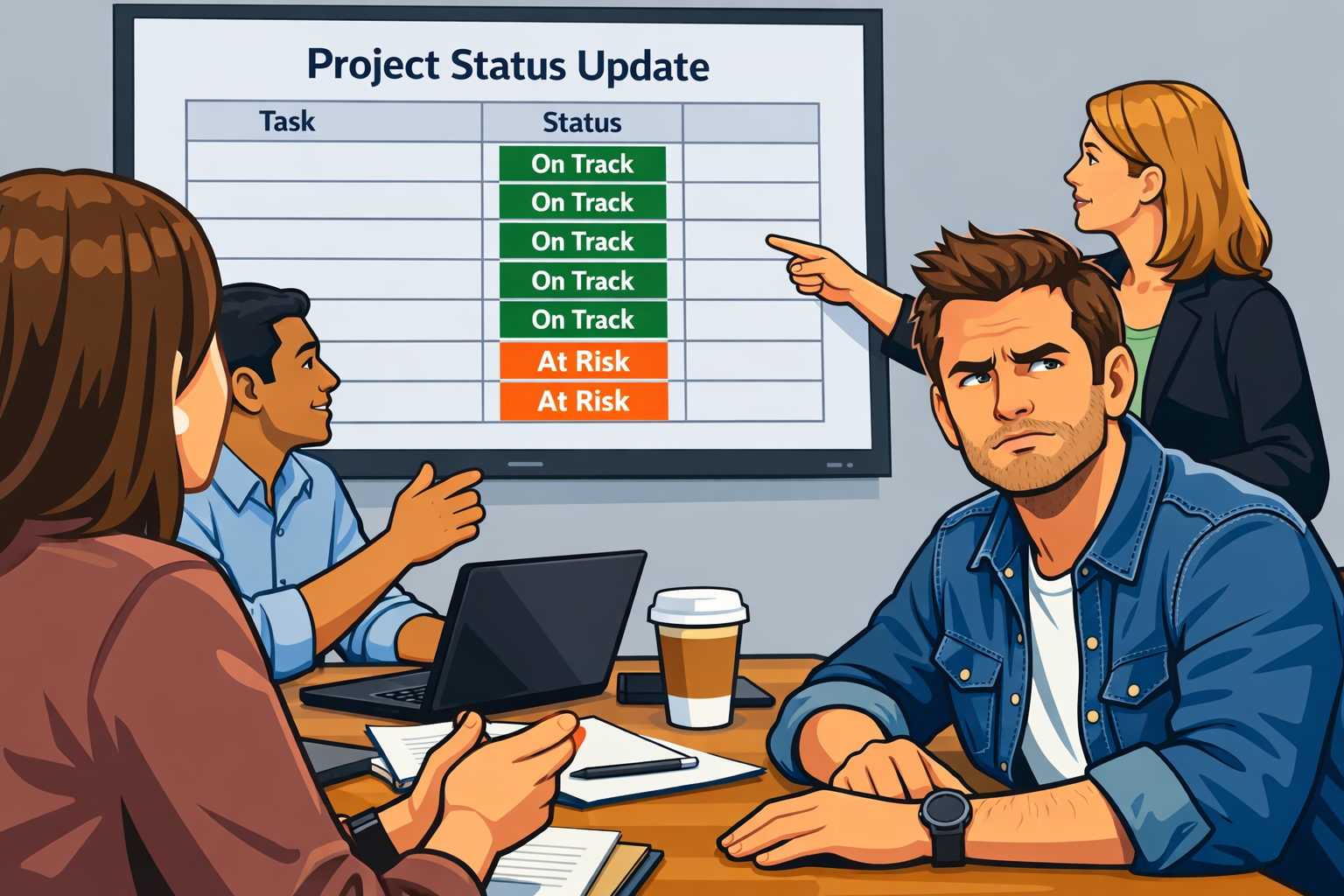
I sat in a steering committee meeting on a previous programme where someone spent the first twelve minutes walking through a PowerPoint assembled over the previous two days from emails, spreadsheets and memory. By the time it reached the room, at least two things were already out of date, and one of them was the thing we were about to make a decision on.
Nobody was doing anything wrong. This is simply how programme reporting works in many large enterprises. Someone collects information, assembles it into the format people expect, refines it in PowerPoint, often without the underlying source systems being updated, and eventually presents it. The process is time-consuming, imperfect and deeply human, and we have been doing it for decades without really questioning whether it still needs to work this way.
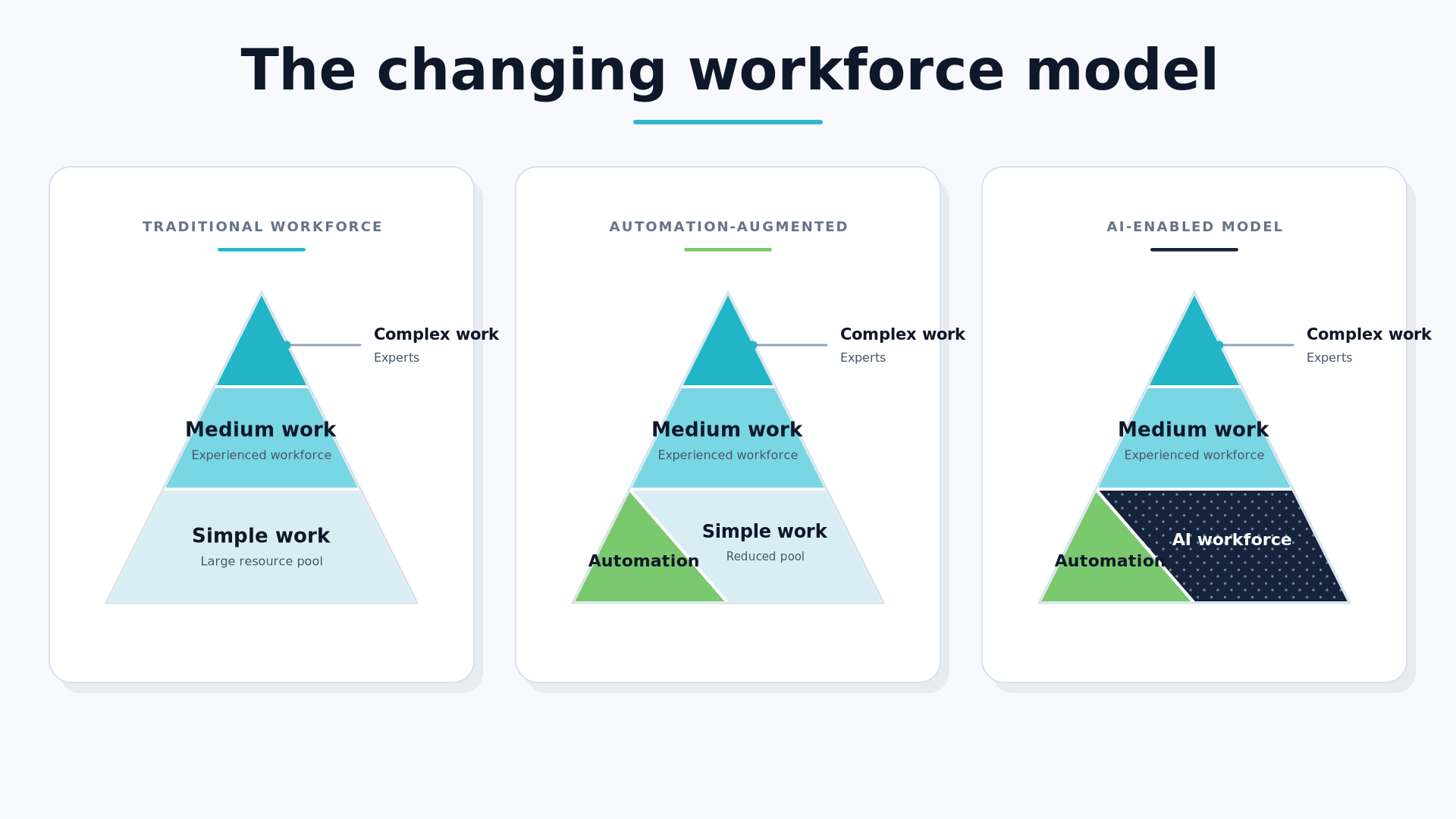
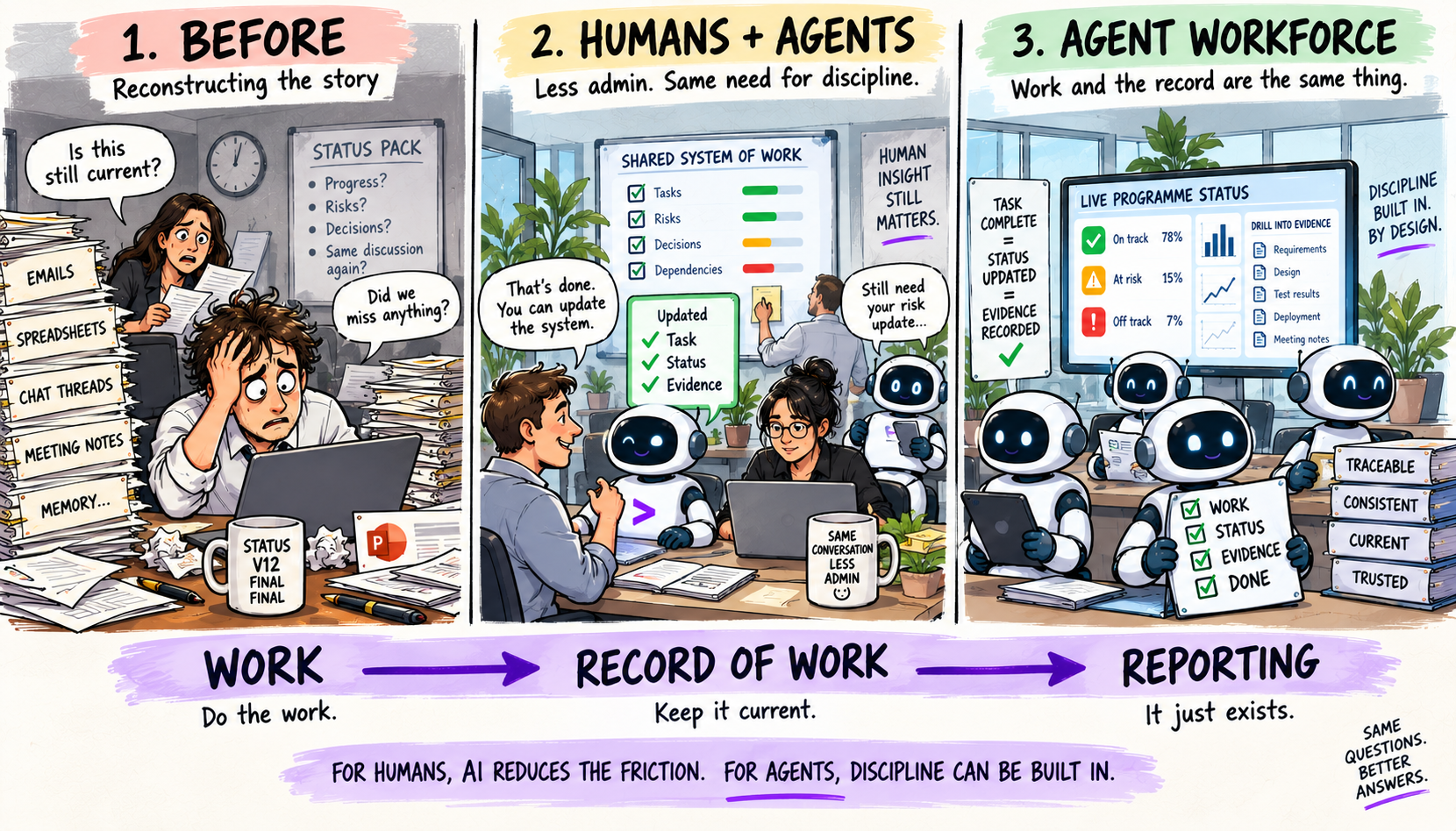
A few months ago, I was working with a team that had started using AI agents as workers, not assistants sitting next to humans, but autonomous participants completing tasks within a shared workflow. I noticed something almost by accident: the agents always knew their current status. Not because somebody had asked them to produce a status report, but because the work they did and the record of that work were the same thing. An AI worker knows the task is not finished until the status is updated and the appropriate lineage back to the sources has been recorded.
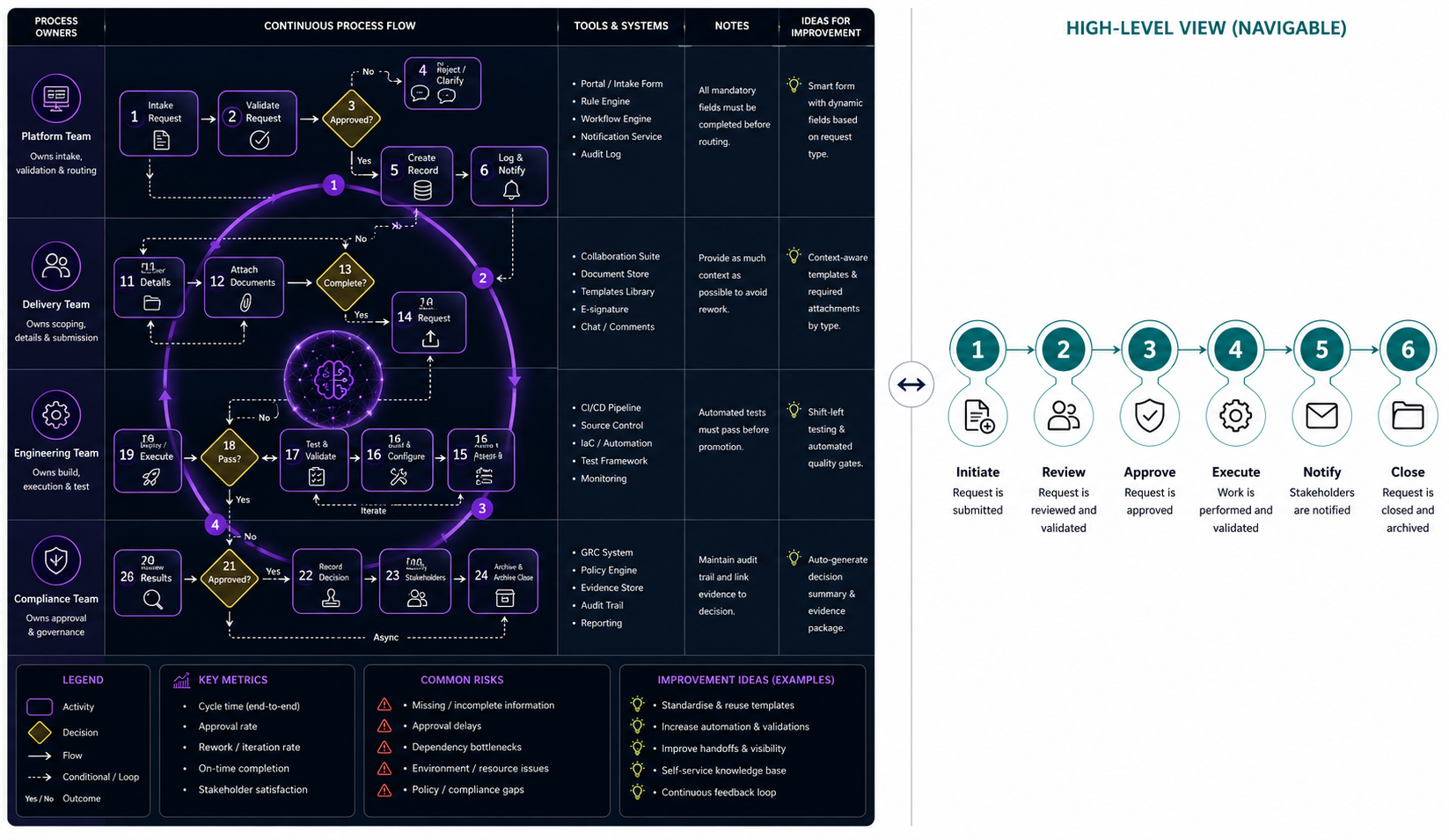
That made me think about what happens if the whole team starts working this way. If every worker, human or AI, leaves a structured trace as part of doing the work, the status pack starts to just exist. Reporting becomes a view over the work itself rather than a separate activity performed afterwards.
The interesting part is that the humans do not need to become perfect administrators for this to work. I use AI to maintain my own status reporting today. My objectives are kept current through my normal interaction with AI. I can tell it that something is done, give it an update on an objective or explain that a priority has changed, and it updates the common system of work for me. I do not have to remember to go into another tool later and repeat what I have already said.
I think that is an important part of the shift. For agents, keeping the system current can be built directly into how they work. For humans, AI can remove much of the friction that has historically made keeping those systems current feel like administration. In both cases, the work and the record of the work stay much closer together. That is a much more interesting change than simply using AI to write PowerPoint slides faster.
The real problem is not the PowerPoint
When I speak to programme managers and PMO leads about reporting, the conversation often starts with the deck. It takes too long to build. The data is already stale when executives see it. Nobody agrees on what amber means. These are all real frustrations, but they are symptoms of a deeper problem.
The information needed to run a programme often lives in too many places, is captured inconsistently and requires significant human effort to assemble into something coherent. Ask yourself a simple question: if you needed to know right now whether a particular workstream was on track, where would you go? On many programmes, you would not go to a system. You would ask someone, and that person would tell you what they remembered, filtered through their own context and judgement.
We have had automated reports for years, of course. The problem is that people often do not trust them because they do not trust the underlying data, so they go and ask someone instead. Eventually they stop looking at the report altogether. The status pack is not the problem. It is evidence of the problem.
AI cannot fix missing discipline, but it can reduce the friction
There is a tempting version of this conversation where someone says, “just use AI to write the status pack.” That misses the point. Getting an AI agent to draft a status report is not particularly difficult. Getting thirty people to consistently capture their work in the right system, at the right level of detail, every day is much harder.
But I also do not think the answer is to tell those thirty people that they simply need to become better administrators. That is where AI can help again. If people can update the system through the way they already work, whether that is through conversation, meeting notes, decisions or normal interaction with an AI assistant, then some of the administrative burden disappears. The discipline still matters, but the effort required to maintain it can be much lower.
AI is genuinely useful at assembling information into readable narrative, applying consistent criteria across large amounts of information and identifying anomalies or signals that a human scanning a spreadsheet might miss. There is also a related capability that I think is underrated: agents can apply a rubric consistently across a whole programme in a way humans often cannot.
Take something as simple as a risk rating. Two experienced people can read the same risk and interpret “amber” differently because they bring their own experience, context and tolerance for uncertainty. An agent can apply the same agreed rubric every time. That does not remove judgement because someone still has to define the rubric, challenge it and decide when an exception matters, but it does remove a surprising amount of noise.
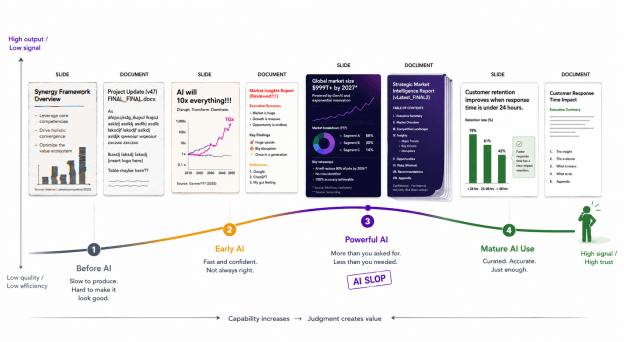
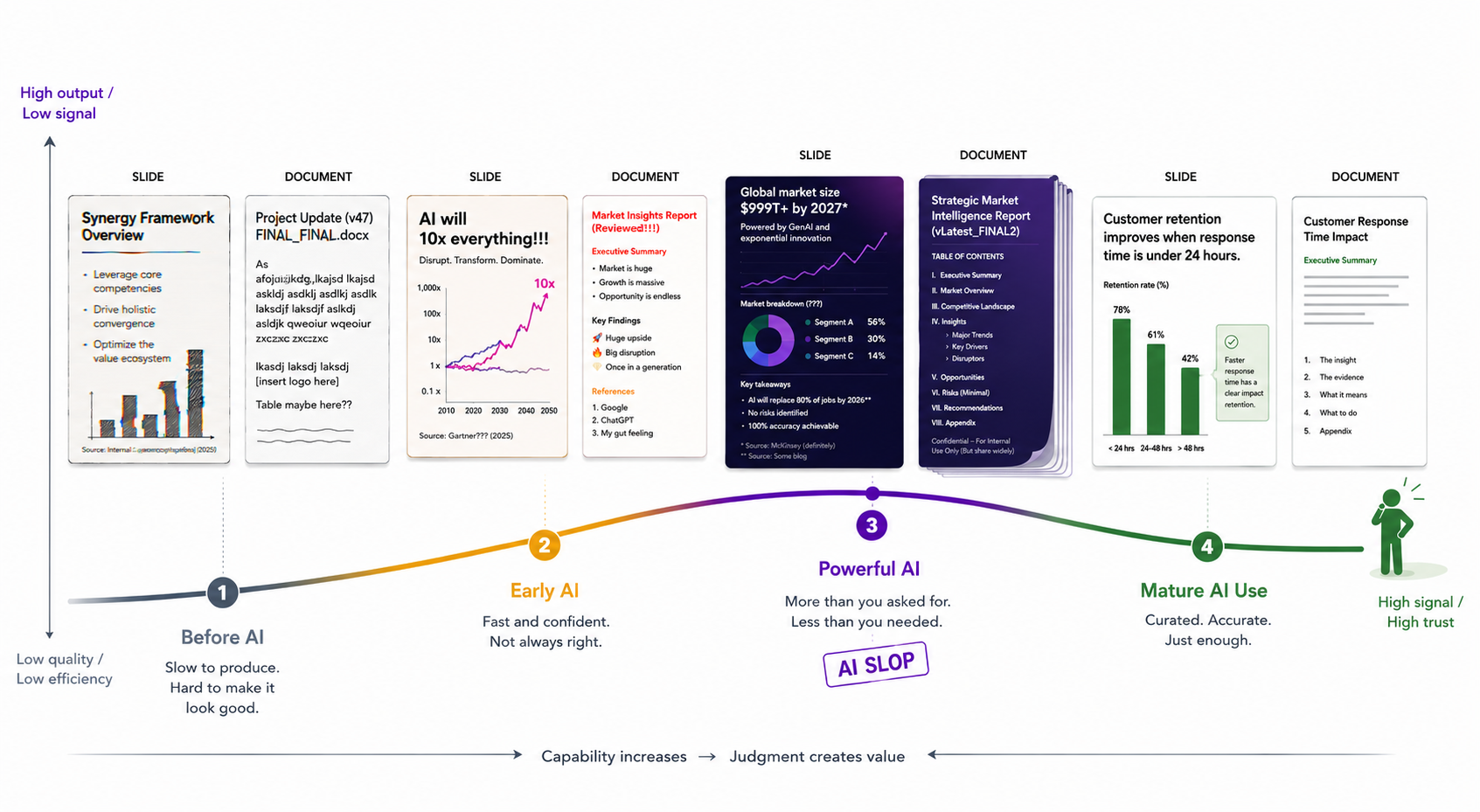
Where AI struggles is when the information was never captured, was captured inconsistently or lives in the wrong place. If the key delivery decision is sitting in somebody’s inbox rather than in the system of work, the agent cannot magically make the programme observable. Garbage in, garbage out still applies, although AI has the unfortunate ability to make the garbage look very convincing.
Some principles I think matter
A few principles have emerged for me from working through this.
Establish the source of truth before building anything. There is little value connecting an agent to a system that half the team ignores. The first conversation is about operating discipline, not AI.
Make updating the source of truth part of the work. This is where AI can make a real difference for humans. If somebody has to finish the work and then separately remember to update another system, we should not be surprised when the second step gets skipped. Wherever possible, AI should help turn normal interactions, decisions and updates into structured changes in the common system of work.
Use what the native system already gives you. Before reaching for AI, understand what your existing platforms already provide. Most systems have useful automation and reporting capabilities that are underused. AI should sit on top of something that already works rather than become an expensive workaround for poor operating discipline.
Report from the system, not from an extract. If the information already exists in the system, produce the report from there. The moment you copy it into another spreadsheet or deck and start maintaining it independently, you have created another version of the truth, and eventually they will diverge.
Use AI where language, judgement and synthesis are required. Structured data is already good at producing structured outputs. AI becomes interesting when it has to synthesise across multiple inputs, assess qualitative signals, explain why something matters or identify patterns that conventional reporting might miss. That is where it earns its keep.
Use AI at the point of entry, not just at the point of reporting. When a new risk, issue, deliverable or status update enters the system, AI can review it against clearly defined and agreed criteria. Is the risk actually written as a risk? Does the deliverable meet the required quality standard? Is there enough evidence behind the reported status? Is the issue missing an owner or resolution date? This means AI does not just consume better data, it can help create better data.
The PMO job starts to change
This is the part I find most interesting. A significant amount of programme management effort today goes into collecting, chasing, formatting and presenting information. In a world where reporting is continuously maintained by the system, that effort can move somewhere more valuable. And yes, agents are also remarkably persistent at chasing people for missing inputs. Trust me, I am being chased by them regularly.
The PMO role starts to shift from producing the truth to governing the truth. What does “on track” actually mean? What evidence is required before something can be marked complete? What makes a risk red rather than amber? Where does human judgement override an automated assessment? Where is the system giving us a technically correct answer that does not reflect what is really happening? Those are much more interesting questions than whether slide seven has the latest status.
It also changes the responsibility of executives. There is a version of this future that goes badly, where automated reporting becomes an excuse to pay less attention rather than an opportunity to engage differently. I think the opposite should happen. If reporting becomes more current, more detailed and more traceable, leadership has fewer excuses for not engaging with what it tells us.
AI can make a programme dramatically more observable, and it can make it much easier for humans to keep that picture current. What it cannot do is make us pay attention or make the decisions for which we remain accountable. That part remains human.